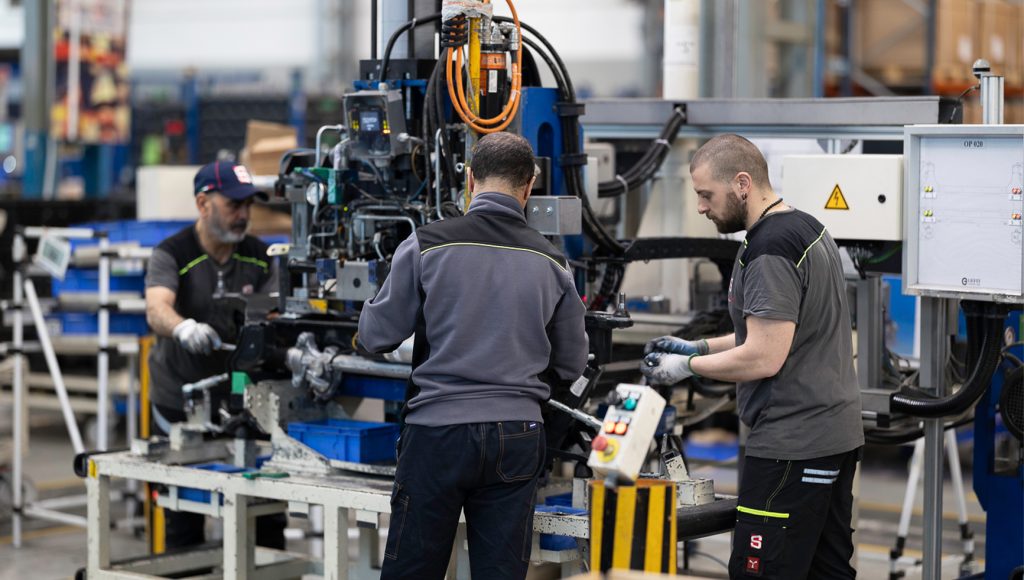
Designing the process around the product.
Every component raises a question: how can it be manufactured in the best possible way while ensuring precision, reliability, quality and sustainable industrial production?
The answer is found at this stage: Streparava designs processes that turn technical requirements into an efficient, repeatable production system optimised for industrialisation and overall component cost.
When the customer has already approved a product prototype, work begins with a detailed analysis of the component to identify the manufacturing process best suited to its characteristics and required volumes.
When a product is developed through co-design, however, process engineering begins much earlier rather than following on from product development. It develops alongside the component. Streparava explores solutions, manufacturing processes and technologies based on the needs of the product itself. It tailors the process to the application and production requirements.
Manufacturing costs also begin to be determined at this stage.
This is where a design-to-cost approach takes shape: product and process are developed together to optimise materials, manufacturing operations, cycle times, investment and production sustainability while meeting the required objectives.
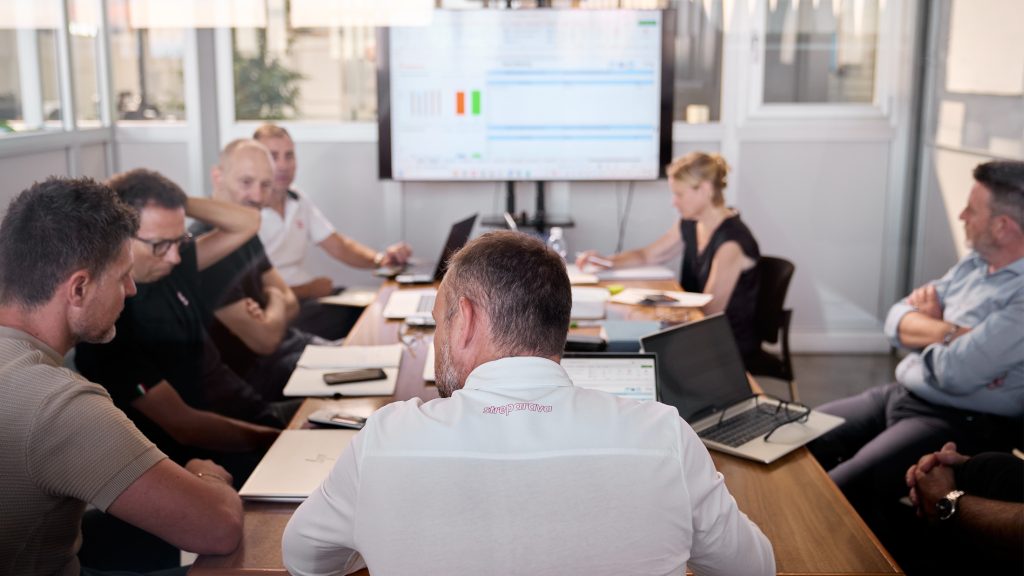
A flexible approach.
Every variable changes the configuration of the system. Designing the process means adapting it to the component, production volumes, requirements and industrial considerations rather than simply implementing existing processes.
There is no fixed approach to choosing technologies: low-volume production can use flexible setups and shared production lines, while high-volume production may call for lines dedicated exclusively to a single product.
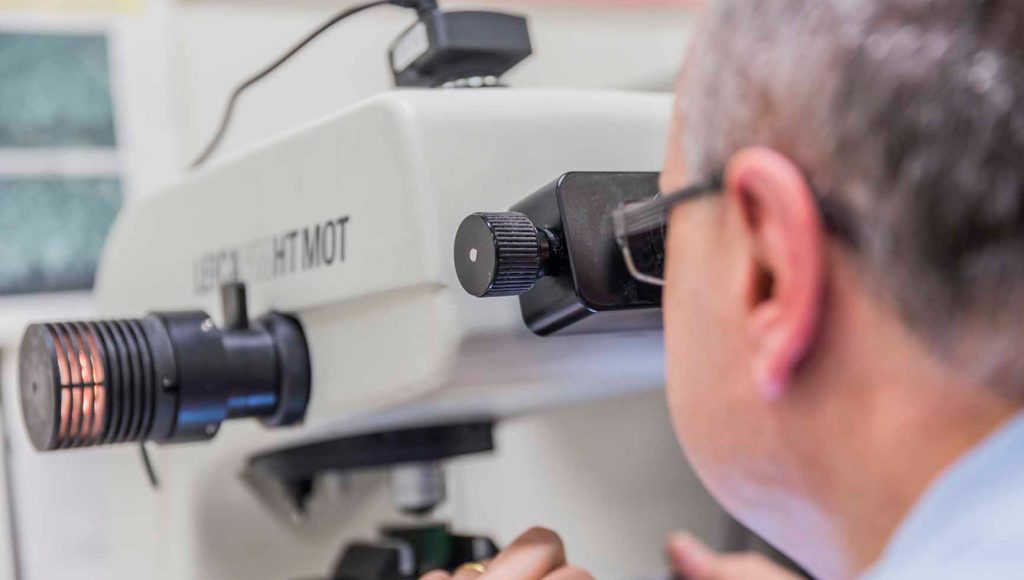
Technologies, equipment and partnerships.
Once established, each process adds to Streparava’s accumulated expertise and technologies, building on capabilities developed over time.
Where a process calls for highly specialised expertise, Streparava establishes targeted industrial partnerships or brings in dedicated solutions to build new capabilities more quickly.
For established processes, the company invests in developing expertise, production lines and equipment in-house, strengthening its manufacturing capabilities.
In some cases, production lines are developed with external partners before being fully integrated into Streparava’s facilities.
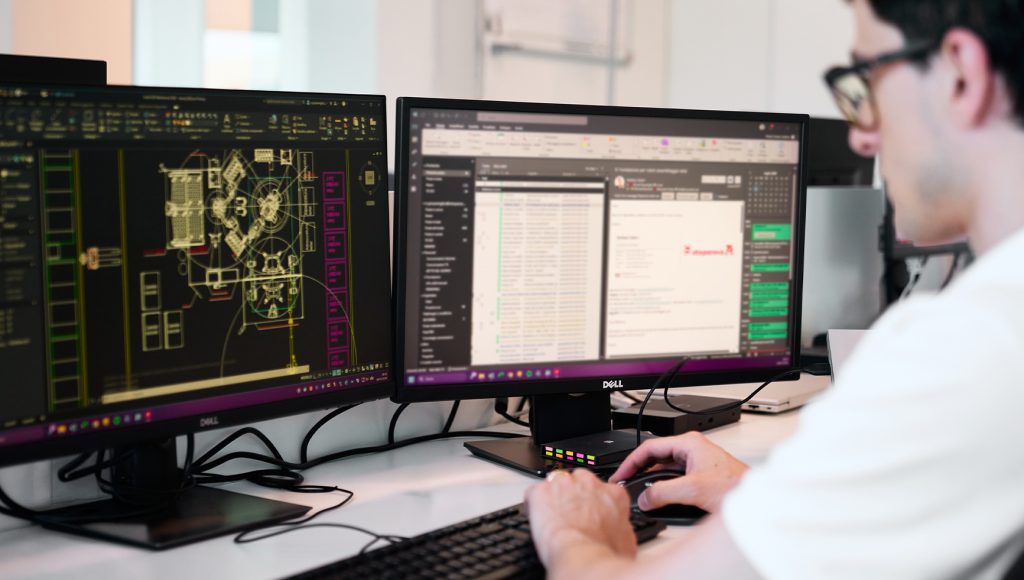
Integrated manufacturing processes and technologies.
- Machining and finishing of aluminium, steel and cast iron components for powertrain and chassis applications
- Turning, 4-axis and 5-axis machining centres, deep-hole drilling, broaching, grinding
- Heat treatment, induction hardening, friction welding, surface finishing, MIG welding, spray painting
- Electrochemical deburring (ECM), abrasive blasting, washing, polishing, superfinishing, leak testing, magnetic particle inspection (MPI), liquid penetrant inspection (LPI), X-ray inspection