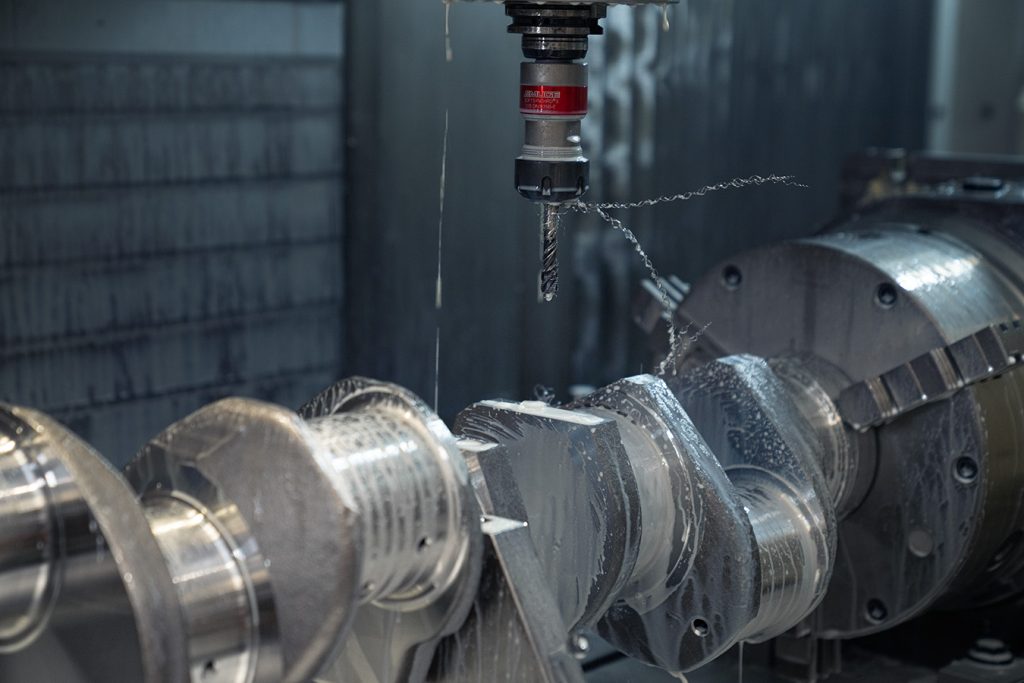
Powertrain components and subsystems for high-performance applications.
Streparava develops powertrain components and subsystems for premium and heavy-duty applications, integrating development, validation, industrialisation and production into a single process.

Passenger car
Motorbike

Truck
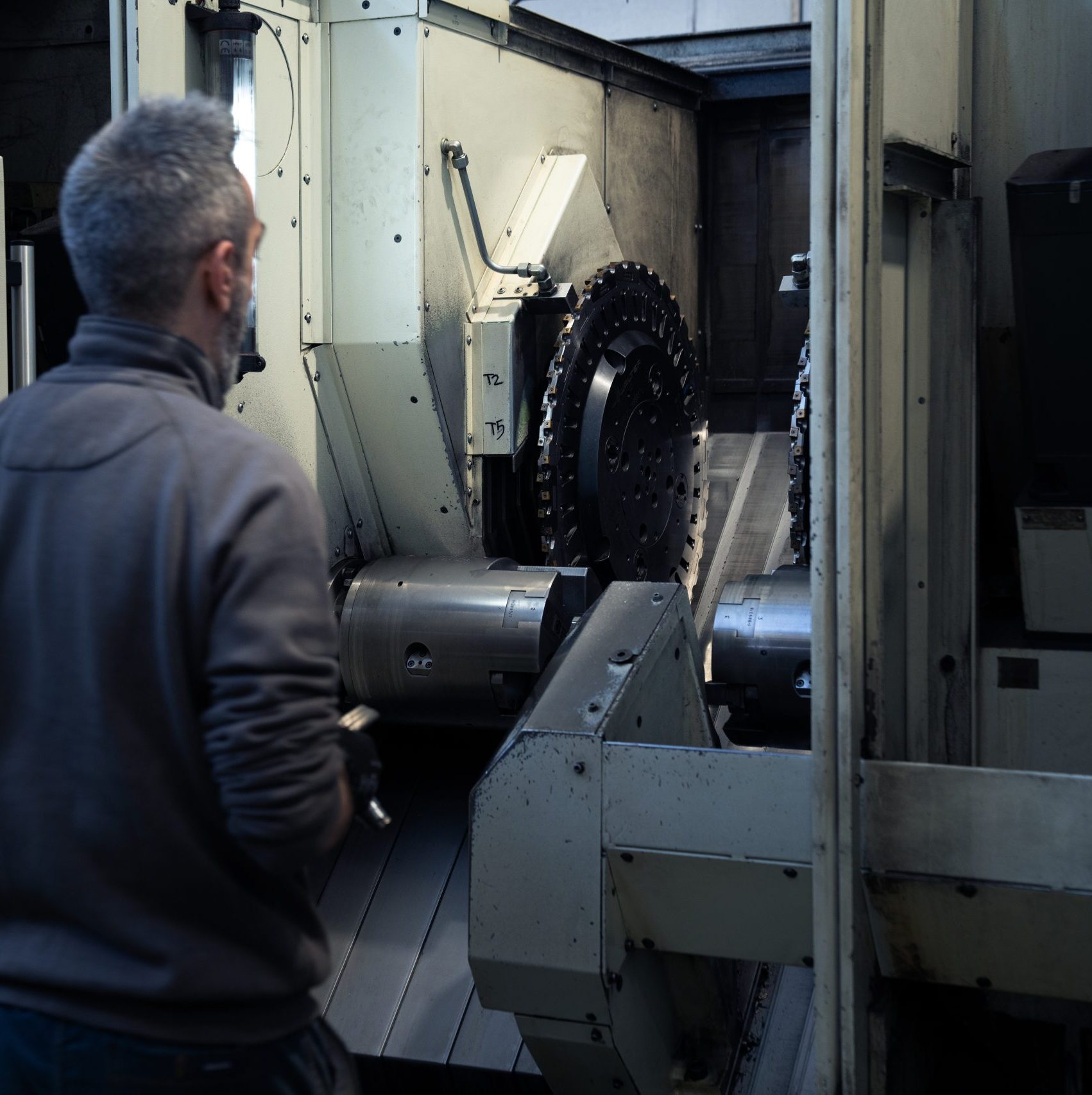
Understanding the engine as a whole.
A company can specialise in a single component or understand the engine as a whole: how its different parts behave and how materials, geometries, treatments and processes interact.
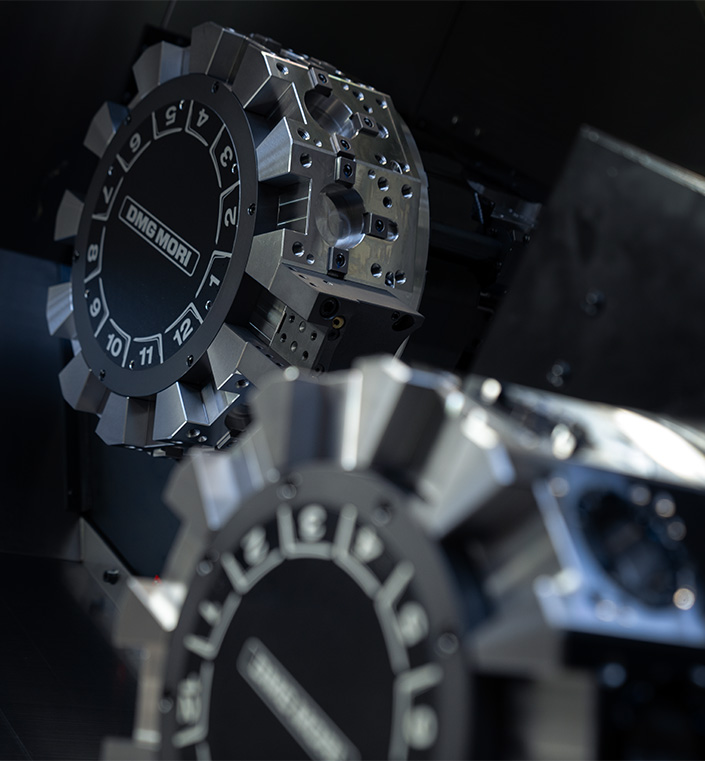
Streparava takes the broader view. It manufactures some of the most critical components in an internal combustion engine and knows how to design them to meet very different requirements: the performance demanded by premium applications and the reliability and durability essential in heavy-duty applications. It works with manufacturers and engineering companies from the earliest stages of development, through co-design, design optimisation and design to cost.
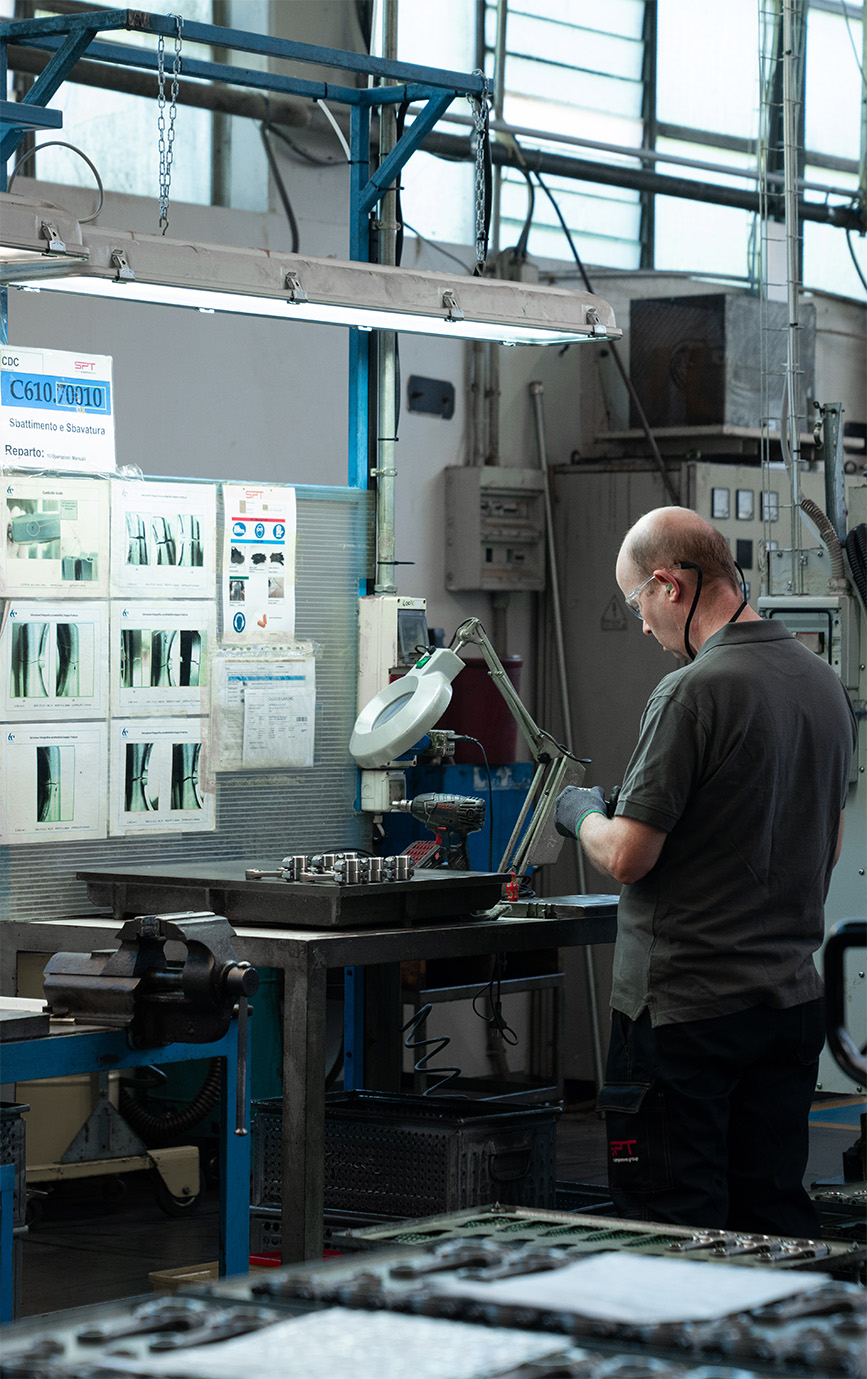
Expertise spanning applications, materials and technologies.
Streparava doesn’t operate in silos: whether the focus is on materials or manufacturing technologies, treatments or coatings, assembly or end-of-line testing, expertise gained in one sector is transferred to another, applications increasingly overlap and design approaches become more closely integrated.
While this cross-disciplinary approach broadens the company’s expertise, competitiveness also depends on mastering highly specialised processes.
These include titanium machining and additive manufacturing, which make it possible to reduce weight and create geometries beyond the capabilities of conventional technologies.
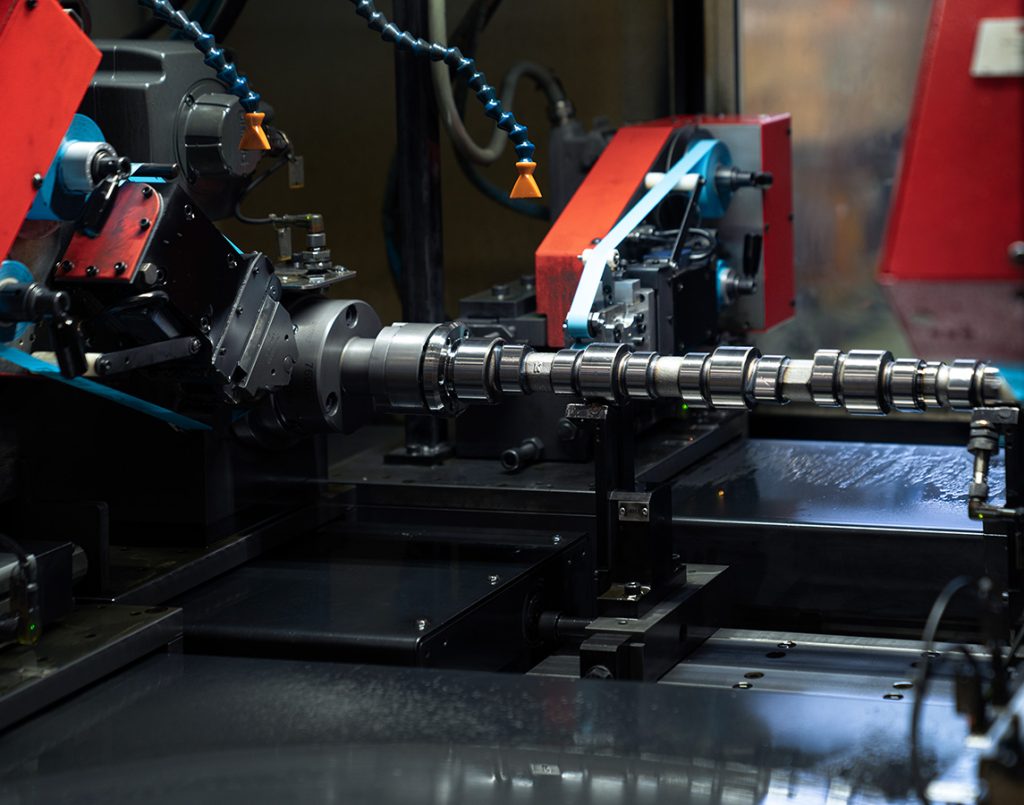
Other examples include coatings such as DLC and those applied by PVD, used in the valvetrains of ultra-high-performance engines to reduce friction at high engine speeds and in truck applications to improve reliability and wear resistance.
This exchange of expertise has led to developments such as Easy Lift, a sophisticated modular variable valve actuation (VVA) system for heavy-duty engines, and a comprehensive range of engine braking systems for trucks.
The result? As market requirements become increasingly demanding, Streparava engineers powertrain components that deliver performance and reliability — from racing motorcycles to heavy commercial vehicles.
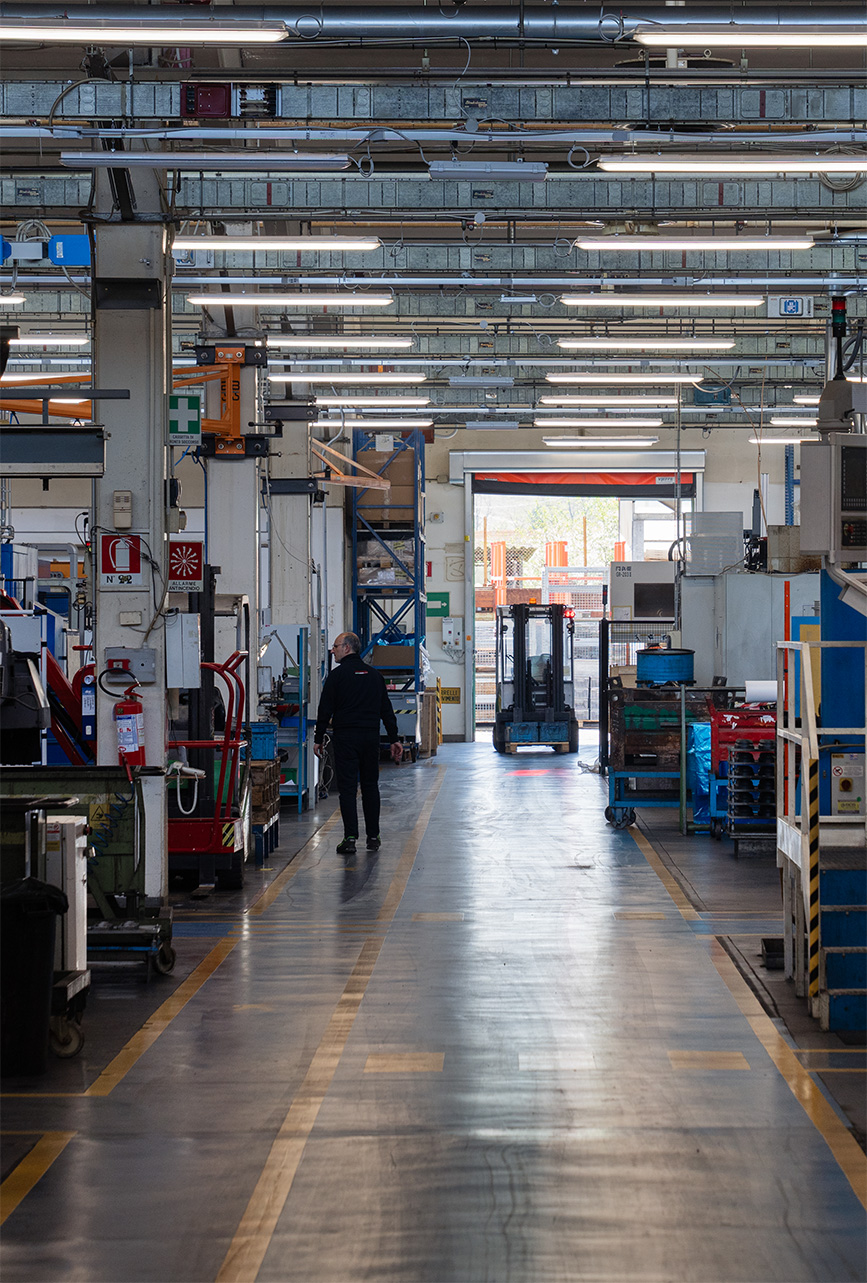
Across the entire production chain.
Streparava can become involved at any stage of the process, but when it’s involved from the outset, the entire approach to the project changes.
Components are designed with the end product in mind: geometries, materials, treatments and manufacturing technologies are defined through co-design with the customer or reconsidered to improve performance, industrialisation or costs.
Prototyping and validation then begin, with each stage verifying the previous one and preparing for the next. At the same time, Streparava establishes the manufacturing process, technologies and production cycles. Product development and industrialisation progress together, reducing time to market.
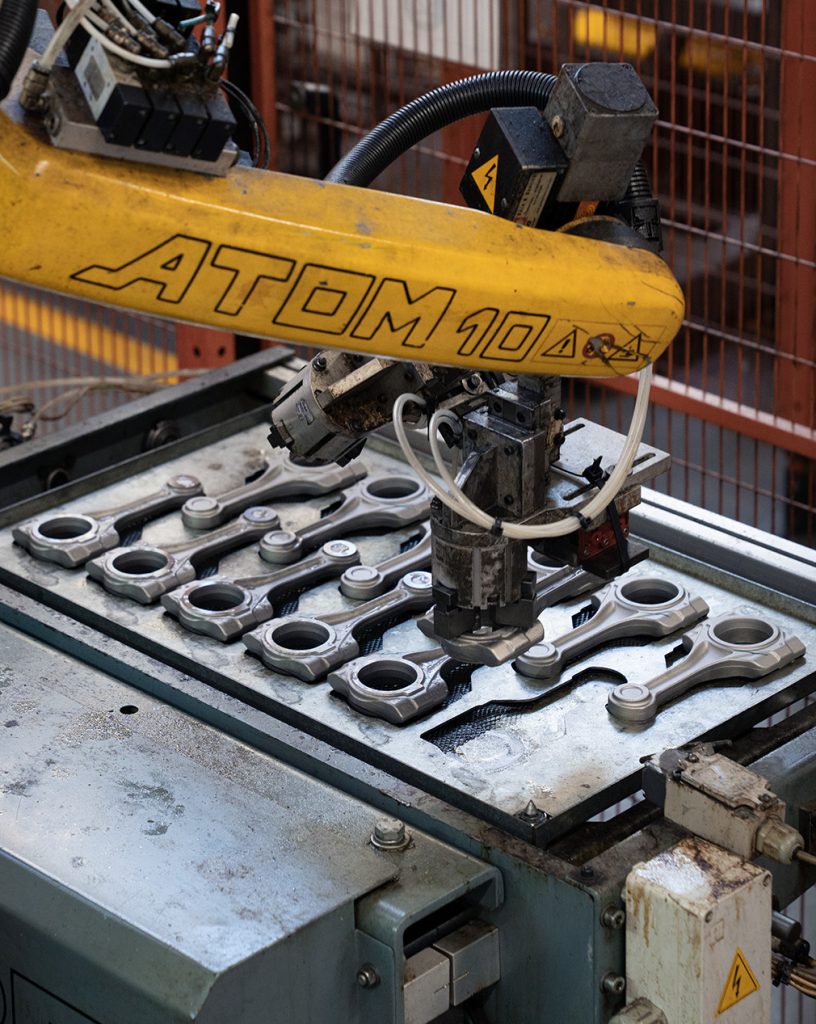
By the time production begins, the key decisions have already been made: make or buy, shared or dedicated lines. There is no fixed formula: the component itself determines the most efficient approach, taking costs and process control into account.
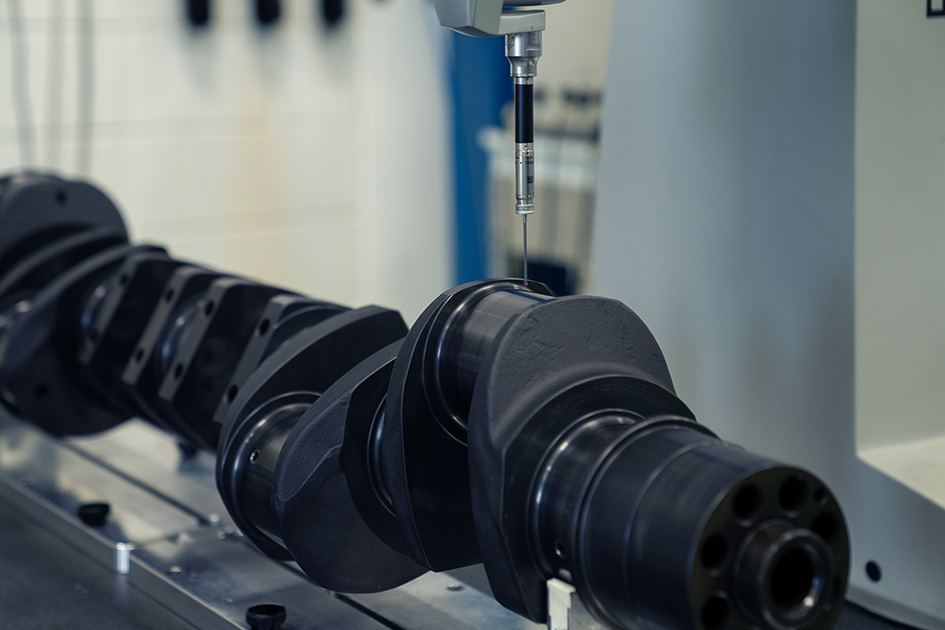
The process then moves on to assembly and end-of-line checks, carried out in-house on 100% of production. Compliance cannot be left to final inspection: it must be built into every stage of the process.
The same principle applies to logistics. Streparava coordinates subcontractors, procurement and material flows across the entire supply chain, ensuring continuity throughout.