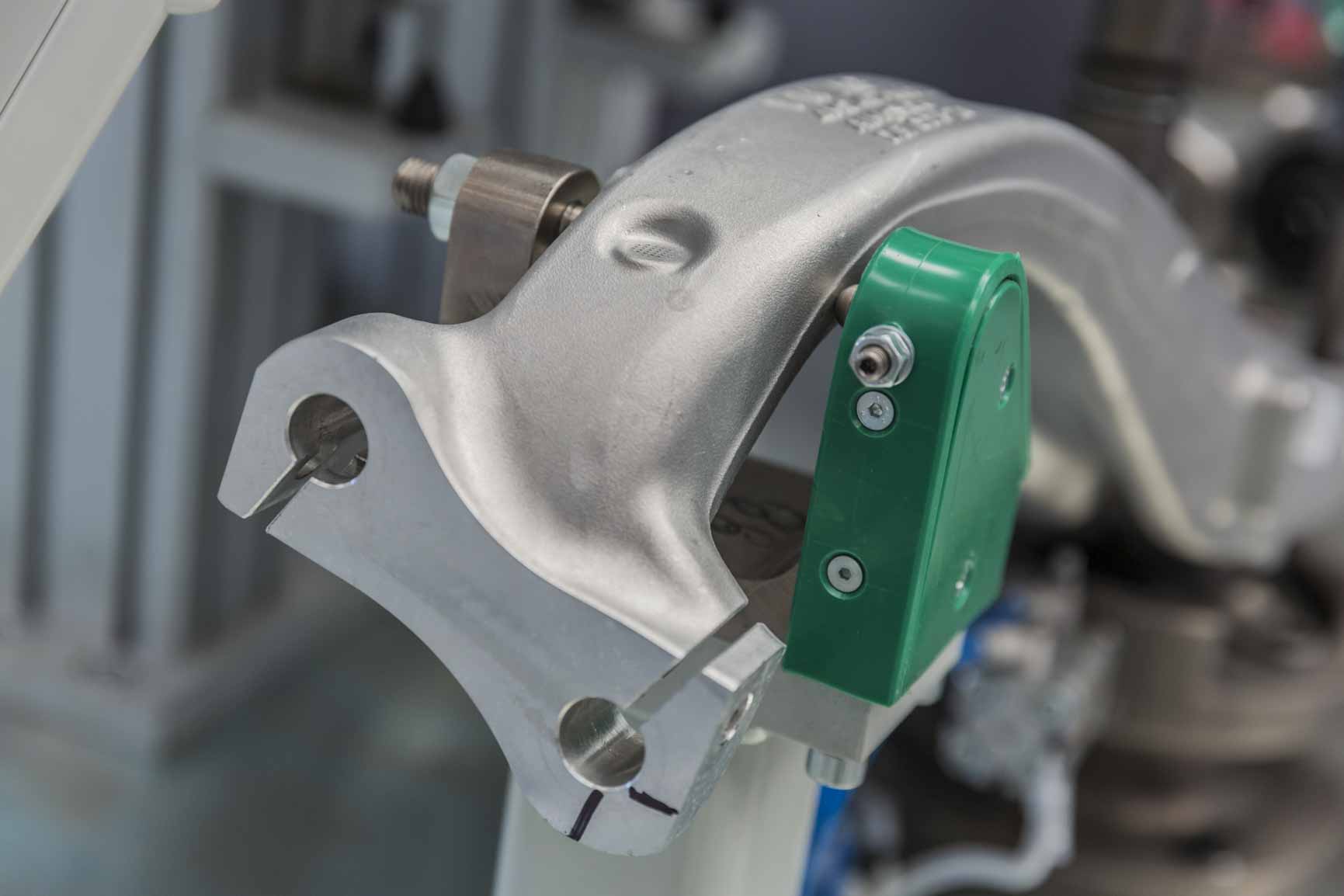
From proof of concept to final validation.
For Streparava, prototyping is first and foremost a means of enabling product development.
But it also opens up market opportunities: it accelerates design development, allows alternatives to be explored and enables the creation of more competitive, mature and advanced solutions.
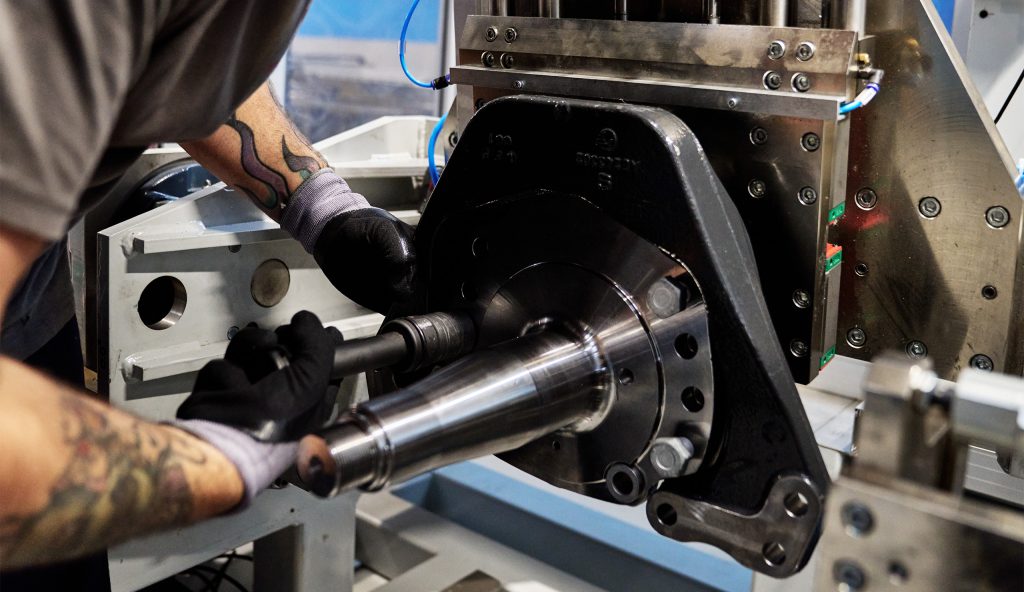
A competitive advantage for the Group and its customers.
Prototyping accompanies the product as it takes shape. From the earliest concept, while the design is still open to change. And in the later stages, when the focus shifts to validating processes, technologies and the ability to industrialise production.
Since 2018, Streparava has managed prototyping in-house in a dedicated workshop. This is where R&D and production begin to come together: manufacturing teams benefit from the trials, tests, processes and practical challenges already addressed during development. This means the product enters series production with an established level of technical and manufacturing maturity.
From concept to series production.
Each prototype corresponds to a specific development phase and purpose.
ALPHA PHASE – Proof of concept.
The component takes physical shape for the first time.
Alpha prototypes are the first physical representations of the product, used to check the design, geometry, performance and technical feasibility.
At this stage, the design remains open to rapid changes. To produce the first test components quickly, Streparava uses flexible, fast processes rather than the final production methods.
The workshop typically produces between 1 and 5 units for basic and dimensional checks, bench testing and vehicle testing.
If the concept proves feasible, development moves to the next phase.
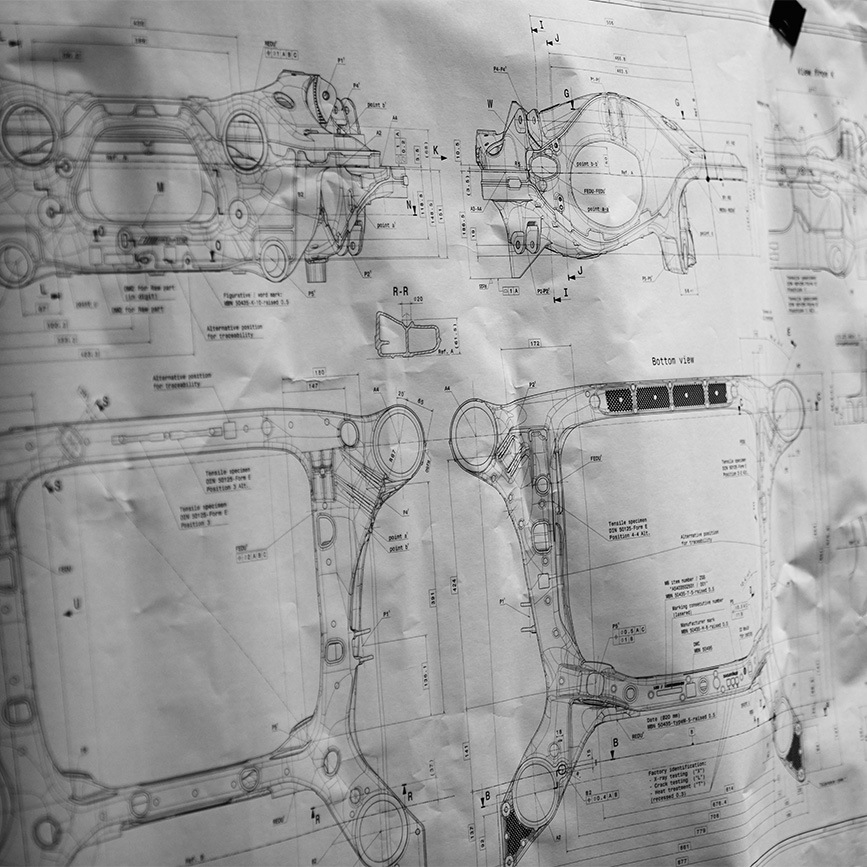
BETA PHASE – Off-tool.
As the design matures, the manufacturing process also begins to take shape.
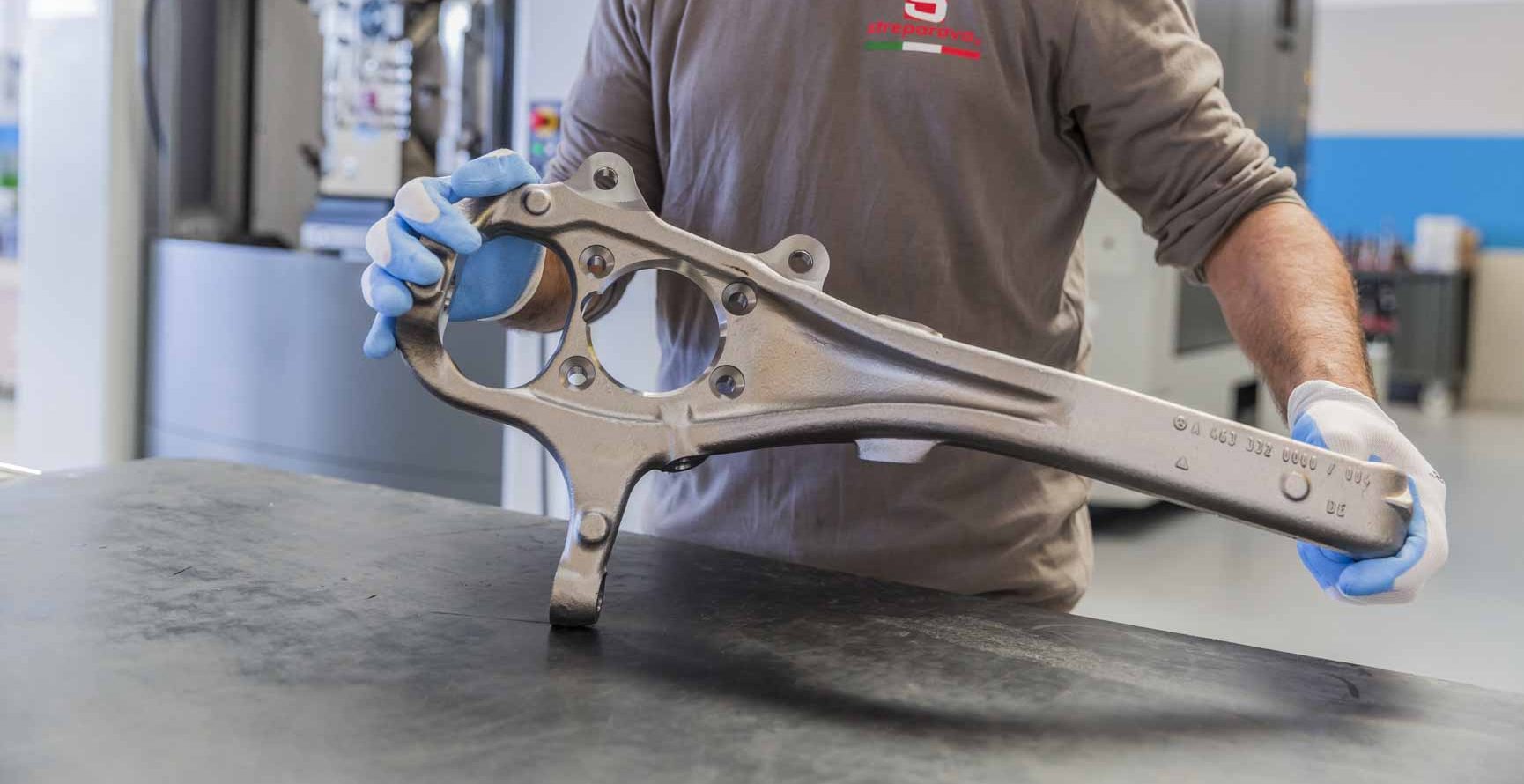
The component moves closer to series production: the prototype is a blank already produced using final tooling, although subsequent machining operations still use more flexible methods than the final production lines.
Beta prototypes are used to test products under realistic conditions: assessing performance, carrying out more advanced testing and anticipating potential manufacturing issues.
The workshop typically produces 20 to 150 units: the exact number depends on the customer’s validation plan. These can be used for bench or vehicle testing, or to assess component performance, reliability and behaviour in real-world applications.
Once the prototype has demonstrated that the process works, development can move to the next phase.
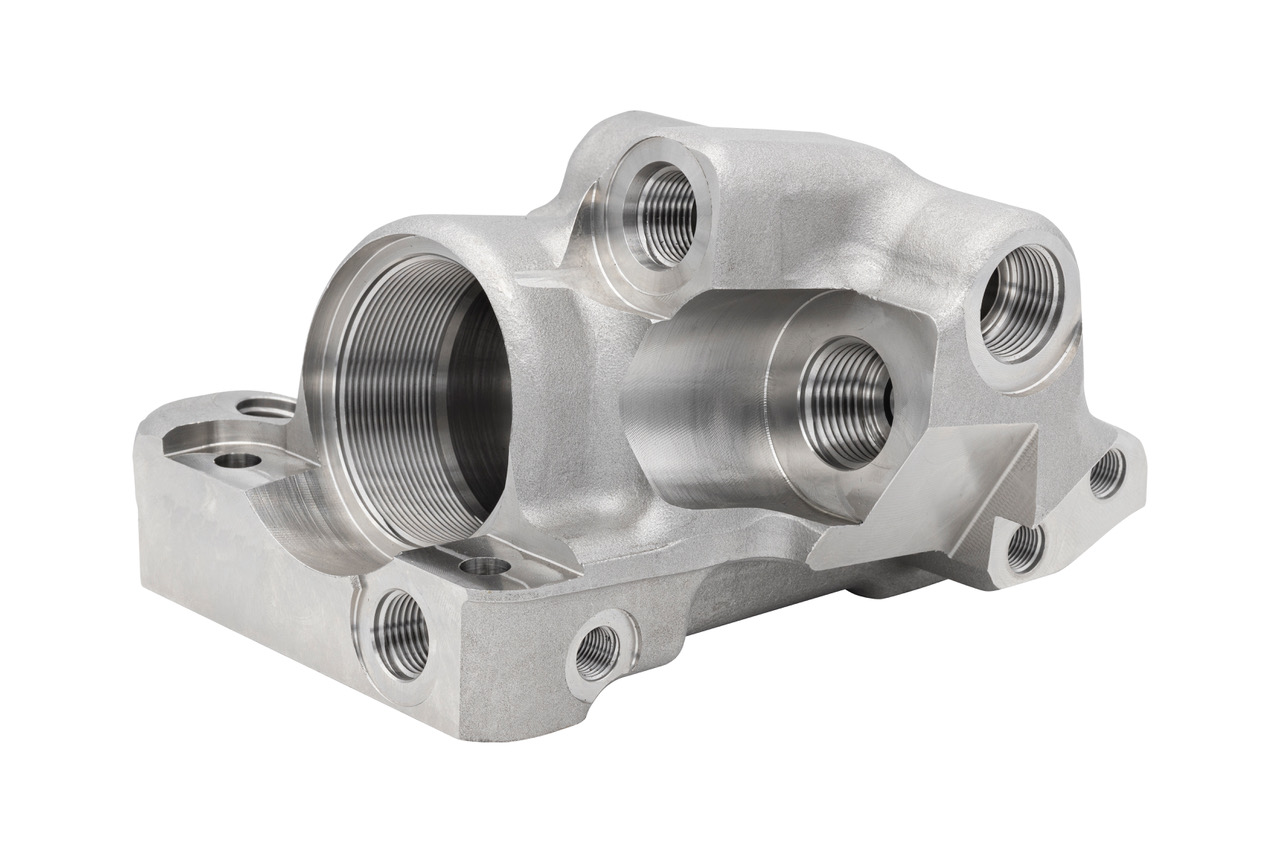
GAMMA PHASE – Off tool off process
Gamma prototypes represent the final stage. These are the first units manufactured using final series-production lines and equipment: at this point, the complete production process is validated before industrial launch.
Gamma prototypes are used to assess process stability, component conformity, production capacity, repeatability and cycle times.
This is the first pre-production unit: fully aligned with series-production standards.
Data and prototype security.
Confidentiality is built into every stage of prototyping: each project has a dedicated team, access is controlled and procedures meet TISAX requirements for protecting data and sensitive information.
TISAX certification is now an essential requirement for working with many OEMs and international partners, particularly in the German automotive market.
A division serving the wider market.
The prototype workshop is where all this comes together.
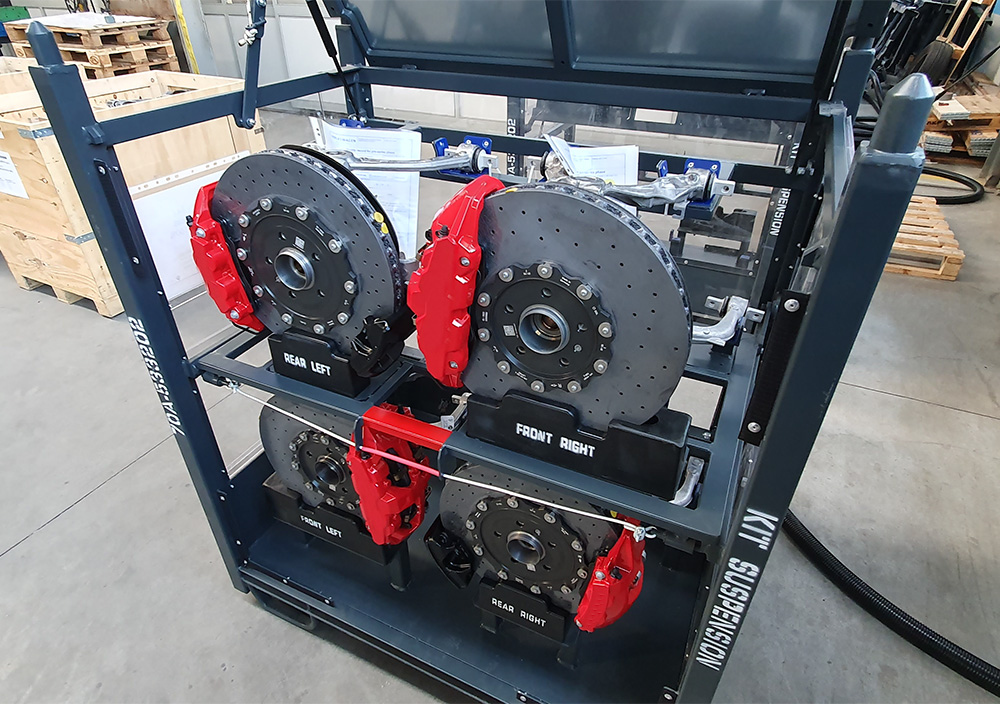
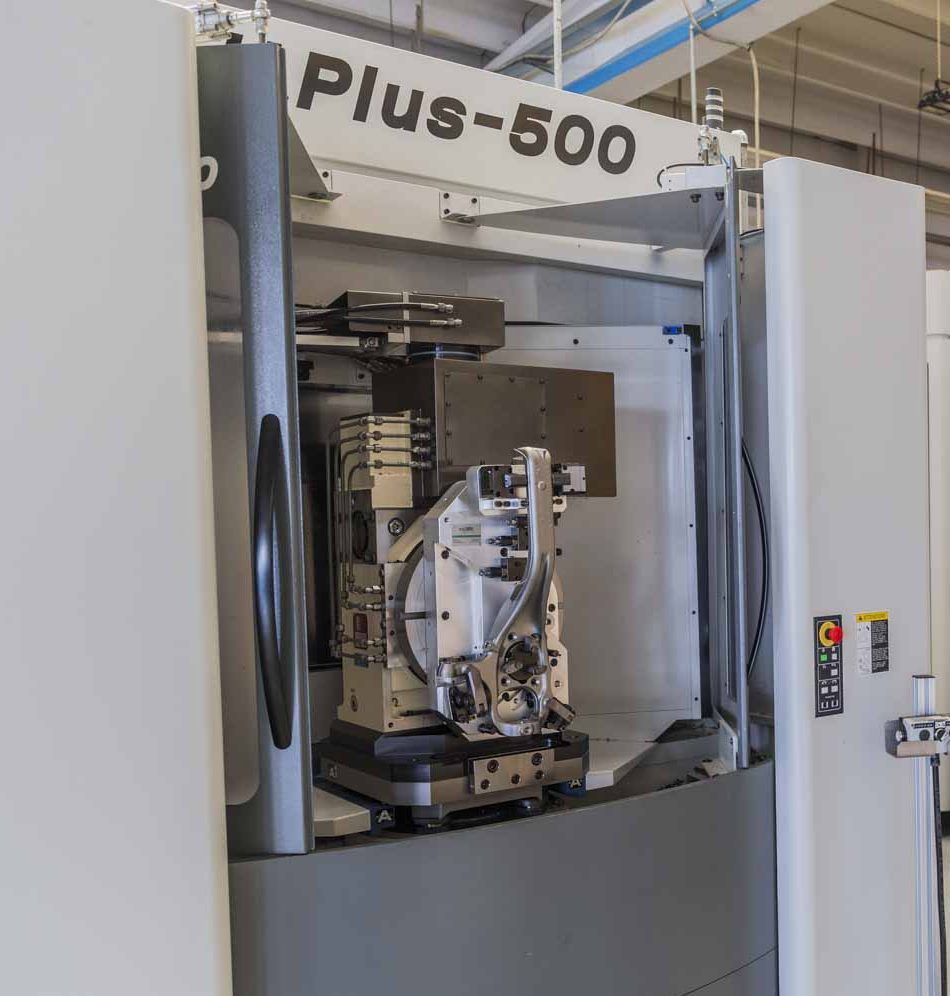
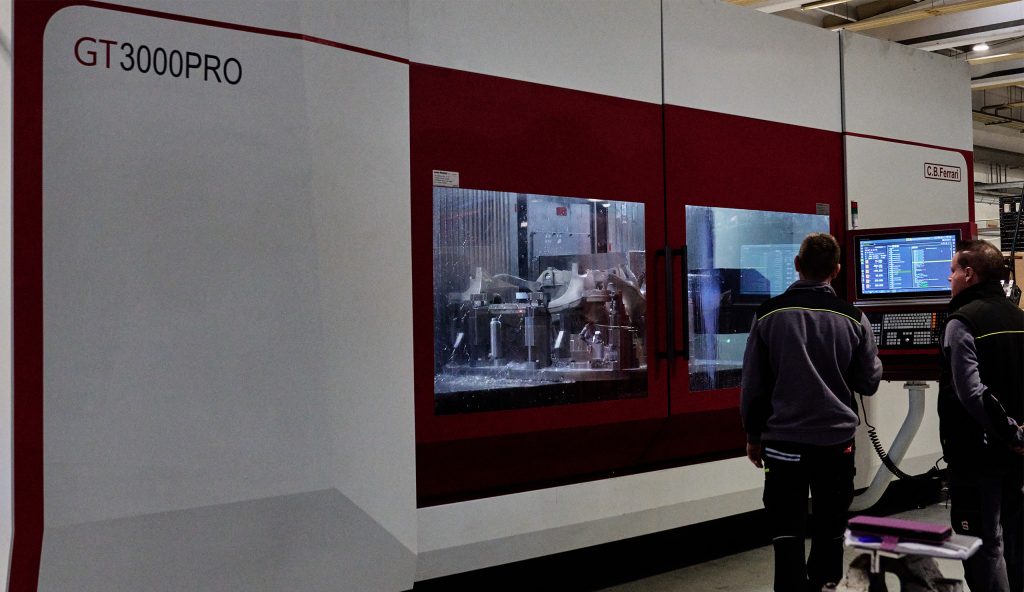
Here, samples, proofs of concept and small production runs take shape using a range of technologies: machining from solid stock, additive manufacturing, rapid prototyping and modern CNC machining equipment.
A restricted-access facility covering more than 500 m², equipped with:
- 5-axis and 3-axis machining centres
- CNC and teach-in lathes and milling machines
- surface grinding machines
Everything needed to take a product towards series production. Including yours.