
Where research meets application.
While research generates knowledge, product development turns it into tangible components and systems ready for industrial production.
This is where the complexity lies: ensuring performance, controlling costs, integrating supply chains and shortening development times.
To turn an idea into a product that can be scaled up, Streparava brings together mechanical engineering, systems engineering and knowledge of materials and technologies in a process shared with the customer.
Every solution is developed in partnership with customers through an integrated approach that enables a rapid response to change and increasingly tight development schedules.
Flexible collaboration.
The approach varies according to the scope of the project and the customer’s level of involvement.
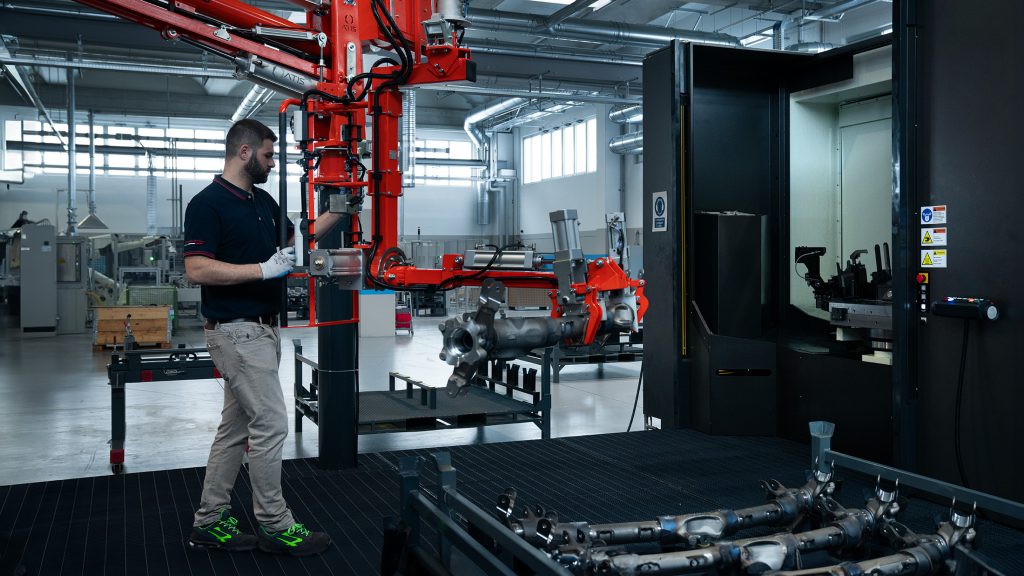
Build to Print.
When a technical drawing already specifies every detail of a component, the challenge is to industrialise it without losing precision along the way.
Working from complete specifications supplied by the customer, Streparava ensures industrial reliability, quality and process excellence.
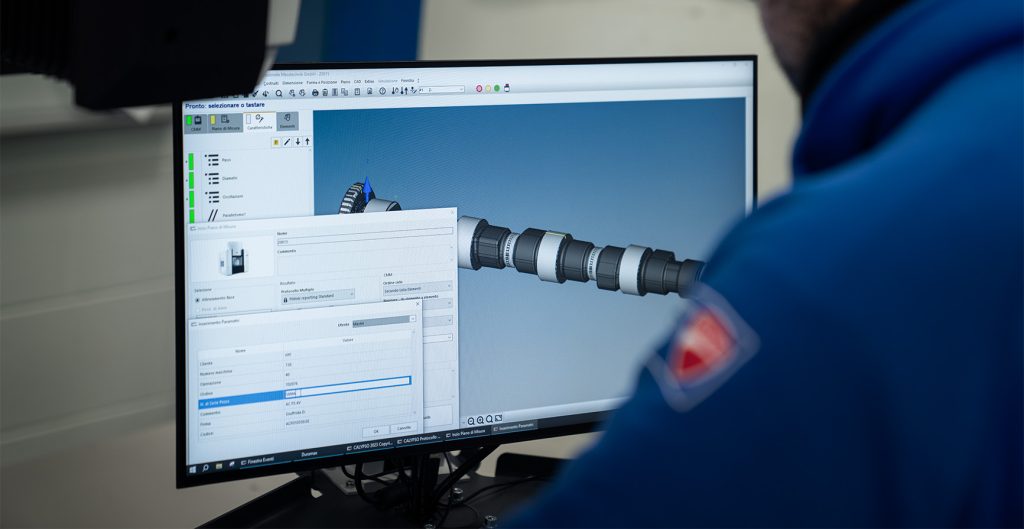
Co-Design.
Those who join a project late simply execute it; those involved from the outset influence the outcome. That’s why Streparava works with customers from the earliest concept stages, combining expertise in chassis, suspension systems, powertrain, materials, manufacturing technologies, validation and testing.
This co-design model accelerates development cycles, reduces risks and improves alignment between performance and industrial requirements.
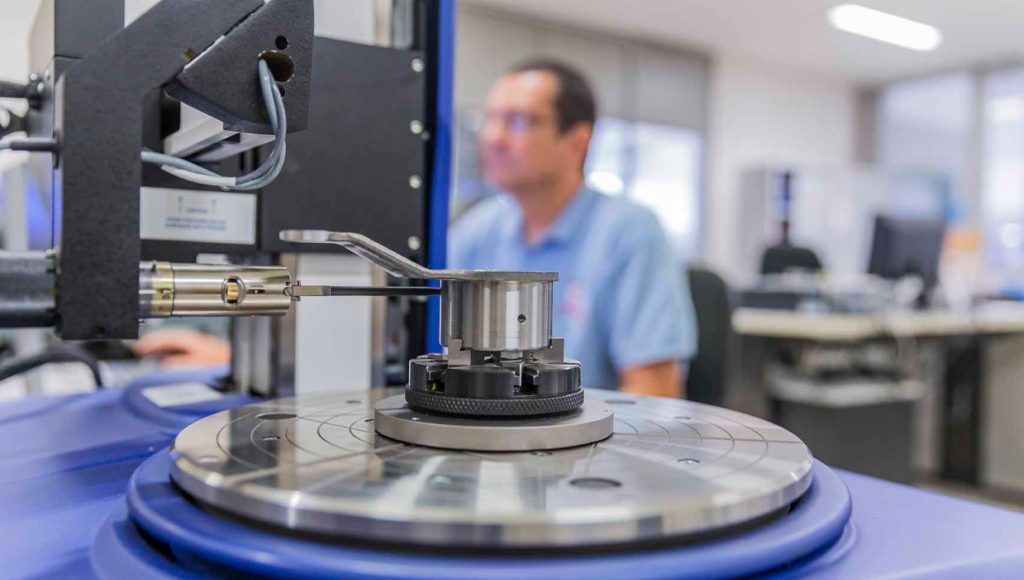
Design to Specification.
The customer defines the functional and technical objectives; Streparava determines the best way to achieve them.
It turns requirements into engineered solutions, bringing together product architecture, simulation, materials, manufacturing and testing.
This approach broadens the scope for design and creates new opportunities for innovation at both component and system level.
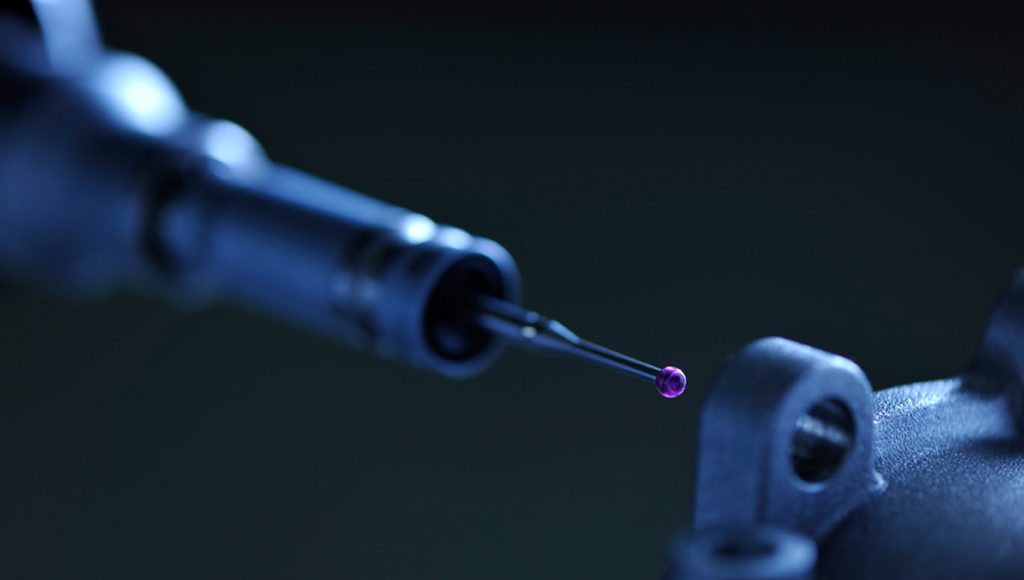
From concept to validation.
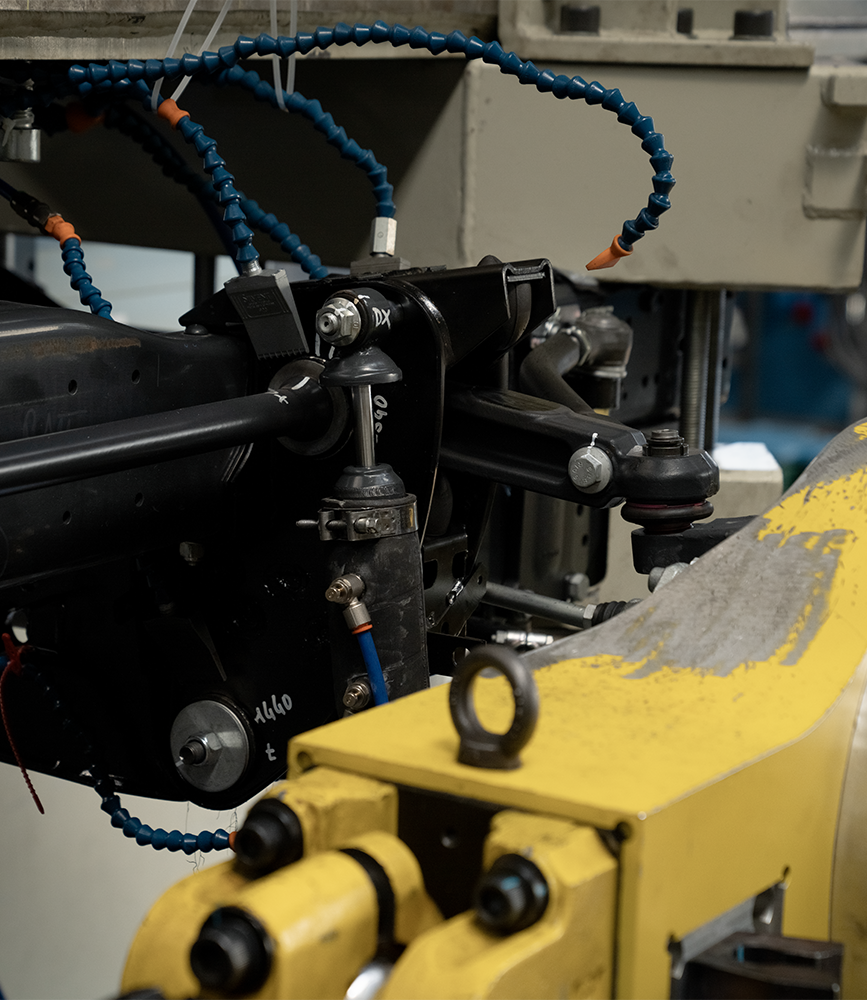
After the concept stage comes another critical step: turning an engineering idea into a practical industrial solution. The product must work under real operating conditions, not just in theory. This complex process involves advanced simulation and engineering, rapid prototyping, in-house testing and validation, support for industrialisation and accredited testing through the Testing Center.
This continuous interaction between research, product development and manufacturing expertise highlights Streparava’s competitive advantage: accelerating learning cycles and turning innovation into scalable industrial solutions.
More than the product.
In a market where technologies evolve rapidly and development cycles keep getting shorter, the most important product isn’t any individual product.
The real product is Streparava’s ability to develop products with its customers: combining research, engineering, industrial know-how and speed of execution to create solutions aligned with the future of mobility.