People. Regenerative energy.
Every organisation generates energy. True sustainability means making that energy last. Because expertise that isn’t developed eventually fades. Experience that isn’t shared is lost. Talent without opportunities remains untapped.
Streparava creates the conditions for this energy to keep flowing without being lost along the way.
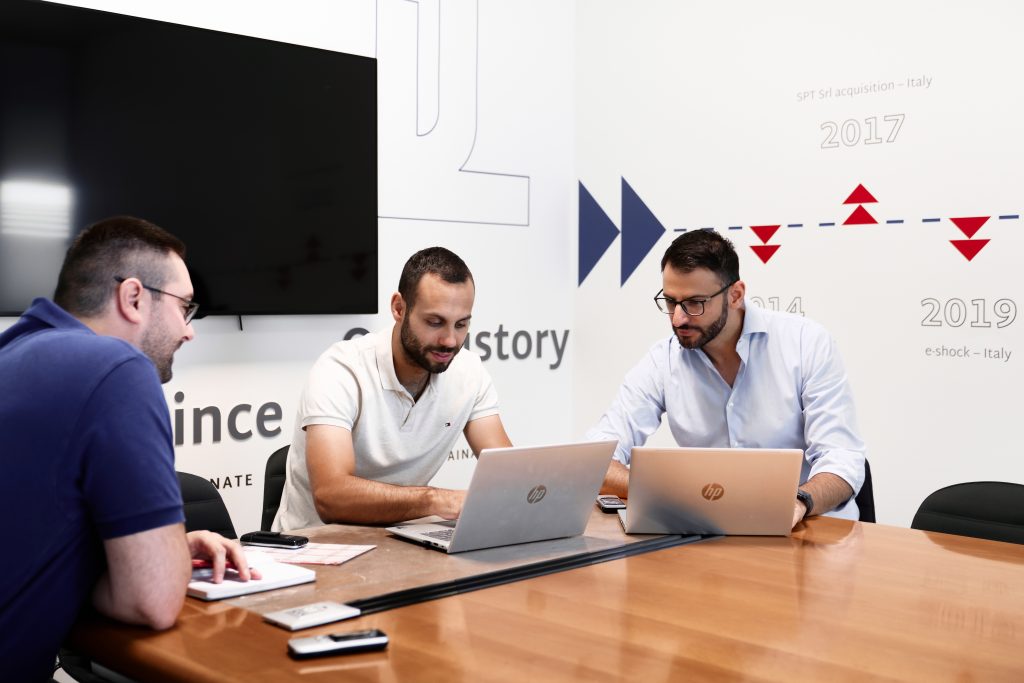
It starts with careful recruitment and an induction process that recognises individual strengths and aspirations. Through ongoing training that develops skills valuable both at work and beyond.
By fostering a culture of shared improvement every day, encouraging everyone to play an active part in the organisation’s development.
By creating an environment where safety, physical and emotional wellbeing and strong relationships are integral to personal development.
At Streparava, different generations, cultures, experiences, career paths and life stages come together. This creates a dynamic balance in which everyone can grow, contribute and pass something on to others.
An organisation evolves when its people’s energy isn’t depleted but passed on.

Environment. Responsible footprints.
Every manufacturing process leaves something behind.
Sustainability is measured by the ability to determine what that is.
Material that isn’t recovered becomes scrap. Packaging that isn’t reused becomes waste. Consumption that isn’t optimised increases environmental impact.
Streparava starts from an understanding: manufacturing means transforming resources. The responsibility is to ensure that what is left continues to hold its value for as long as possible.
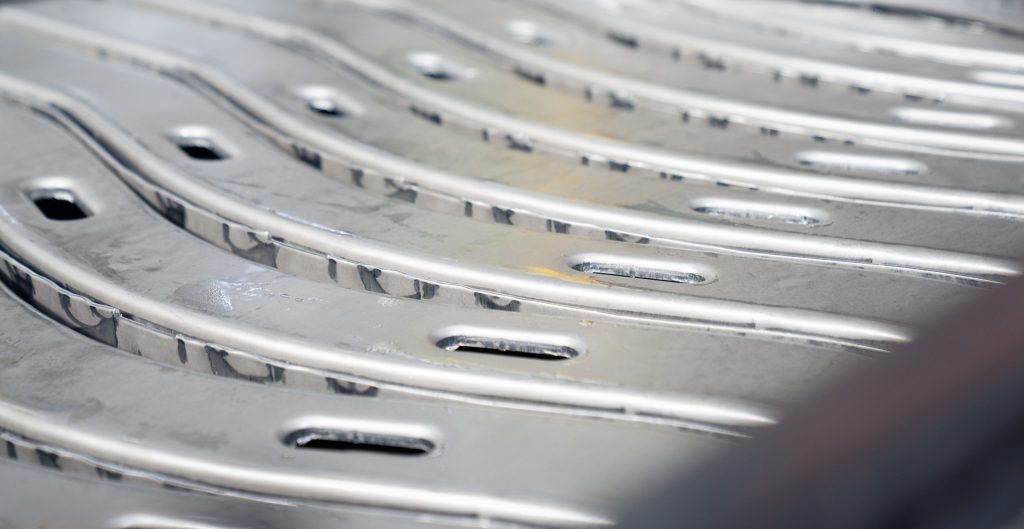
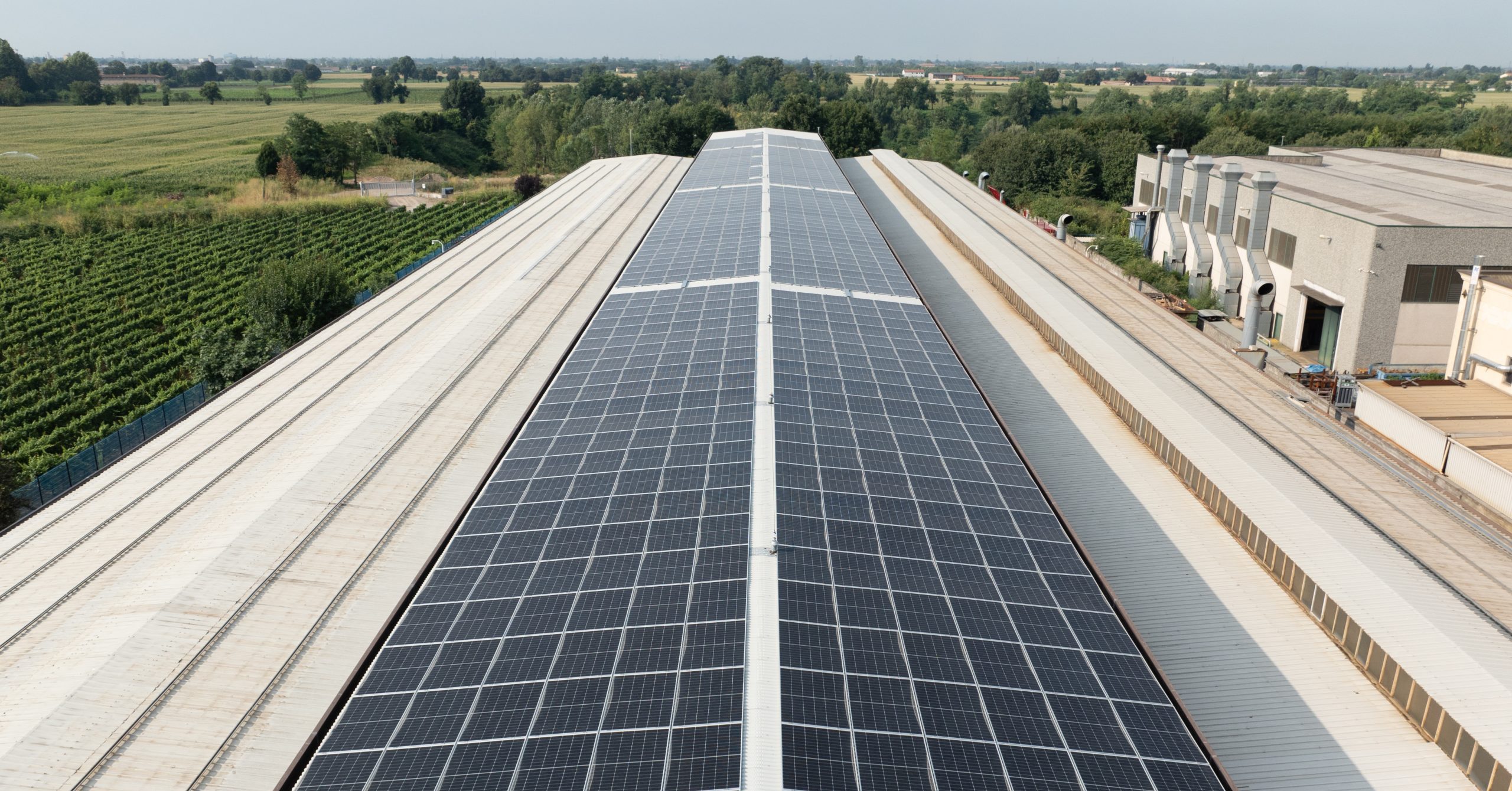
This calls for continual improvements to processes: recovering metals from precision machining and returning them to the industrial cycle as secondary raw materials. Extending the useful life of packaging through reusable systems. Reducing the use of virgin raw materials. Optimising energy consumption and progressively increasing the use of renewable energy.
Every process is monitored, measured and improved. Because understanding where the impact arises is the first step towards reducing it.